Facebook and Instagram Ads can help dental practices build local awareness, introduce services to prospective patients, and generate new-patient opportunities before someone necessarily begins actively searching for a dentist.
Successful Facebook and Instagram advertising for dentists requires more than launching an attractive graphic and setting a budget. Strong campaigns connect the right service, creative, audience, landing page, conversion tracking, and follow-up process.
In this guide, we’ll look at which dental services may be a strong fit for paid social, how Facebook and Instagram Ads differ from Google Ads for dentists, and what it takes to turn ad traffic into meaningful patient opportunities.
Best Dental Services to Promote With Facebook Ads
Facebook and Instagram Ads can be especially useful for dental services that benefit from visual creative, patient education, or a clear reason to learn more.
Potential opportunities include:
- Dental implants
- Invisalign and clear aligners
- Cosmetic dentistry
- Veneers
- Teeth whitening
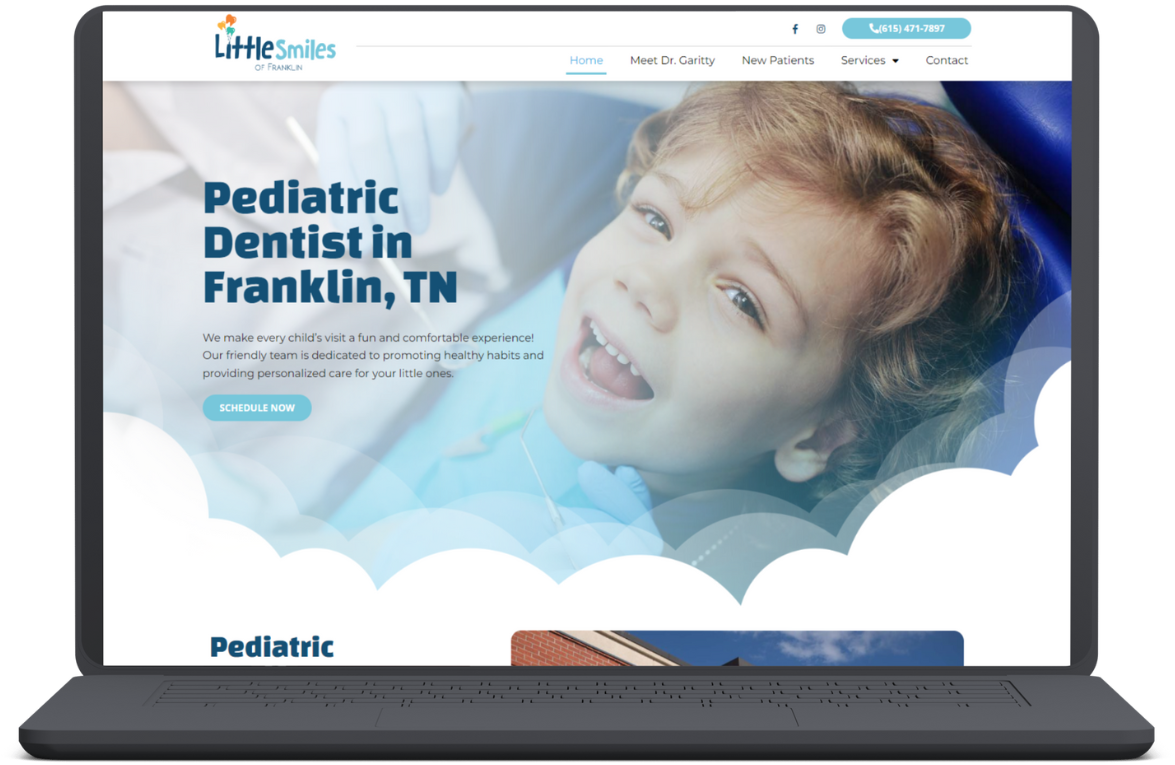
- Pediatric dentistry
- Eligible new-patient offers
- General and family dentistry
The strongest campaign depends on the practice, local market, treatment value, available creative, patient demand, and advertising requirements.
Dental Implants
Implant campaigns can use provider-led videos, treatment education, patient testimonials when appropriately authorized, financing information when available, and consultation-focused messaging.
Because implant patients may spend more time researching treatment and comparing providers, trust and follow-up can matter just as much as initial ad engagement.
Invisalign and Cosmetic Dentistry
Visually driven treatments may work well with:
- Before-and-after imagery when appropriate and properly authorized
- Dentist introduction videos
- Treatment explanations
- Smile-focused creative
- Consultation messaging
- Financing information when available
Creative should focus on the service, provider, and potential patient value without making unsupported promises about treatment outcomes.
Pediatric Dentistry
Pediatric practices can use Facebook and Instagram to introduce the practice to parents and caregivers through:
- Office tours
- First-visit information
- Team introductions
- Child-friendly educational content
- New-patient messaging
Campaign messaging should speak to the parent or caregiver rather than the child.
Why Facebook Ads Can Work for Dentists
Facebook and Instagram are highly visual platforms, which gives dental practices an opportunity to introduce their providers, office, services, and patient experience in a more engaging format.
Real practice photography, provider videos, educational content, and clear service messaging can help prospective patients become familiar with the practice before they are ready to take the next step.
Step 1: Define the Goal Before Building the Campaign
Every campaign should start with a clear objective.
A dental practice may want to:
- Generate inquiries for a specific service
- Introduce a new provider
- Build awareness around a new office
- Promote an eligible new-patient offer
- Increase consultation requests
- Support a treatment the practice wants to grow
The campaign objective should influence the creative, call to action, destination page, budget, and measurement strategy.
Step 2: Focus on the Right Geographic Market
Dental practices typically serve a defined local area, although realistic travel distance may vary by service.
Campaign planning may consider:
- Practice location
- Nearby communities
- Patient travel patterns
- Service being promoted
- Local competition
- Available campaign budget
Patients may be willing to travel farther for services such as dental implants or specialty care than for routine preventive dentistry.
Audience strategies should also follow current Meta advertising requirements and applicable privacy considerations. Avoid building campaigns around assumptions about an individual’s health condition.
Step 3: Create Dental Ads That Earn Attention
Facebook and Instagram are visual environments, so creative quality can significantly affect campaign performance.
Strong dental ad creative may include:
- Original practice photography
- Short provider videos
- Treatment education
- Office tours
- Team introductions
- Patient testimonials used with appropriate permission
- Frequently asked questions
- Service-specific graphics
- Clear calls to action
Authentic content generally gives prospective patients a better sense of the actual practice than generic stock imagery.
Messaging should also remain accurate. Do not advertise discounts, financing, free consultations, specific technologies, same-day treatment, or other offers unless those details are confirmed.
Practices experimenting with additional short-form paid social channels may also consider TikTok Ads when the service, creative, audience, and campaign goals fit the platform.
Facebook Ads vs. Google Ads for Dentists
Facebook Ads and Google Ads can both support patient acquisition, but they usually reach prospective patients at different stages of the decision process.
| Facebook & Instagram Ads | Google Search Ads |
|---|---|
| Often reach patients earlier | Capture active search demand |
| Strong for visual creative | Strong for high-intent searches |
| Useful for awareness and eligible offers | Useful for urgent and treatment-specific searches |
| Good for provider introductions | Good for “near me” searches |
| Can help create demand | Often captures existing demand |
For example, someone searching “emergency dentist near me” is demonstrating immediate intent and may be a stronger fit for Google Search.
Someone scrolling Facebook who sees an informative Invisalign or cosmetic dentistry video may not have been actively searching yet, but the ad can introduce the service and practice.
The strongest dental marketing strategies may use both channels for different purposes rather than treating them as competitors.
When Facebook Ads May Be a Better Fit
Facebook and Instagram may be especially useful when a practice wants to:
- Build local awareness
- Introduce a provider
- Promote a visually driven treatment
- Support a new office opening
- Promote an eligible new-patient offer
- Reach prospective patients before they begin actively searching
When Google Ads May Be a Better Fit
Google Search may be especially useful for:
- Emergency dentistry
- High-intent treatment searches
- “Near me” searches
- Patients actively comparing providers
- Urgent appointment needs
Practices looking to capture active search demand can learn more about Google Ads for dentists.
How to Turn Facebook Ad Traffic Into Dental Leads
A dental Facebook Ad can generate strong engagement and still fail to produce meaningful practice growth if there is no clear path from the advertisement to the next step.
A stronger patient journey looks like:
Ad → Landing Page → Trust → Call or Form → Follow-Up
Match the Landing Page to the Ad
If an ad promotes a specific service, the landing page should continue that message.
A strong dental landing page may include:
- A clear service-focused headline
- Provider information
- Practice location
- Treatment information and potential benefits
- Reviews or testimonials when appropriate
- Financing information when available
- Common patient questions
- Clear phone and appointment calls to action
- Strong mobile usability
- Fast page performance
Sending every campaign to a general homepage can create unnecessary friction.
For example, someone who clicks an Invisalign advertisement should ideally arrive at content focused on the clear aligner treatment the practice actually provides rather than having to search through the website.
A well-structured dental website should make those service pages and next steps easy to find and use on mobile devices.
Measure More Than Clicks
Facebook Ads should not be evaluated solely by platform engagement.
Important metrics may include:
- Click-through rate
- Cost per click
- Landing-page views
- Cost per lead
- Form submissions
- Phone calls
- Conversion rate
- Qualified leads
- Scheduled consultations
- Lead quality
A low-cost click is not automatically valuable if the traffic does not turn into qualified patient inquiries.
Performance should ultimately be evaluated against the campaign objective and the types of patients or services the practice is trying to grow.
Make Follow-Up Part of the Campaign
Marketing does not stop when someone submits a form.
Practices should have a clear process for:
- Responding promptly
- Answering common questions
- Explaining the next step
- Handling financing questions accurately
- Tracking whether leads schedule
- Following up appropriately with unscheduled inquiries
Poor follow-up can make a strong advertising campaign appear weaker than it actually is.
If inquiries are being generated but appointments are not, review both the advertising campaign and the intake process before assuming the ads are the problem.
Why Work With a Dental Facebook Ads Partner?
Effective paid social requires ongoing coordination between campaign strategy, creative, landing pages, tracking, and lead quality.
Dental practices should also account for healthcare advertising requirements, patient privacy, permission for testimonials and imagery, and the accuracy of treatment claims and offers.
A specialized partner can help connect paid social with broader dental marketing services, including website performance, SEO, Google Ads, content, and conversion tracking.
Looking for Help With Facebook Ads for Dentists?
Clear to Launch Healthcare Marketing helps dental practices connect Facebook and Instagram advertising with creative strategy, landing pages, conversion tracking, website performance, and broader practice-growth goals.
If your campaigns are generating engagement but not qualified patient opportunities, there may be room to improve the service being promoted, creative, landing page, tracking, or follow-up process.
Contact Clear to Launch Healthcare Marketing to discuss a Facebook Ads strategy based on your services, market, and growth goals.