
How AI Search Is Changing Patient Acquisition for Healthcare Practices
The landscape of patient acquisition is undergoing a transformative shift with the integration of artificial intelligence (AI) search technologies. For healthcare practices aiming to remain competitive, understanding how AI search can enhance patient acquisition strategies is essential. By leveraging AI-driven tools, practices can improve patient engagement, streamline processes, and ultimately increase their patient base. This article delves into the ways AI search optimization is reshaping patient acquisition and offers insights into how healthcare providers can harness these technologies.
The Role of AI in Modern Healthcare
AI has permeated various facets of healthcare, offering solutions that range from predictive analytics to personalized medicine. In the realm of patient acquisition, AI search engines are becoming crucial. These intelligent systems can process vast amounts of data to identify potential patients, tailor marketing strategies, and optimize resource allocation.
Unlike traditional search engines, AI search tools can analyze user behaviors, preferences, and demographics to deliver more personalized search results. This capability allows healthcare providers to target potential patients with precision. For instance, AI can predict which individuals might be interested in specific health services based on their online behavior and past interactions with healthcare content.
Enhanced Patient Targeting
One of the most significant benefits of AI search in patient acquisition is the ability to enhance patient targeting. By using sophisticated algorithms, AI can segment audiences based on a variety of factors, including age, location, health history, and online activity. This segmentation enables healthcare practices to craft targeted marketing messages that resonate with specific patient groups.
For example, a clinic specializing in dermatology might use AI search tools to identify individuals searching for skincare tips or products and then deliver personalized advertisements about their services. This kind of targeted outreach increases the likelihood of conversion, as potential patients receive information relevant to their needs.
Streamlining the Patient Journey
AI search technologies play a pivotal role in streamlining the patient journey from initial interest to the point of care. By integrating AI-driven search functionalities into their patient acquisition processes, healthcare practices can offer seamless experiences that reduce friction and enhance patient satisfaction.

An important aspect of this is the use of AI chatbots and virtual assistants. These tools can guide patients through the initial stages of their healthcare journey, answering questions, scheduling appointments, and providing information about services offered. This level of automation not only improves efficiency but also ensures that patients receive timely and accurate information.
Improving Appointment Scheduling
AI search can significantly enhance appointment scheduling by predicting peak times and suggesting optimal appointment slots. This not only improves the efficiency of healthcare practices but also reduces wait times for patients. AI can analyze historical data to forecast demand, allowing practices to better manage their resources and provide a smoother scheduling experience for patients.
Moreover, AI search engines can automate follow-up communications, sending reminders and confirmations to patients. This ensures that patients are kept informed, reducing the risk of missed appointments and improving overall patient satisfaction.
Data-Driven Insights for Better Decision Making
A key advantage of AI search in patient acquisition is its ability to generate data-driven insights. By analyzing search patterns and patient interactions, AI provides healthcare practices with valuable information that can inform strategic decisions. This data can help identify trends, optimize marketing efforts, and improve patient engagement strategies.
For instance, AI can reveal which services are most frequently searched for, allowing practices to adjust their offerings or marketing tactics accordingly. Additionally, insights into patient demographics and preferences can inform the development of new services or enhancements to existing ones.
Predictive Analytics in Healthcare
Predictive analytics is a powerful tool enabled by AI search technologies. By leveraging historical data, AI can anticipate future trends and patient needs. This allows healthcare providers to proactively address potential health issues, offer preventative care, and tailor their services to meet emerging demands.

For example, during flu season, AI analytics might predict an increase in related searches, prompting healthcare practices to ramp up their marketing efforts for flu shots or other preventative measures. This proactive approach not only improves patient outcomes but also enhances the practice’s reputation as a forward-thinking healthcare provider.
The Future of AI Search in Patient Acquisition
The future of patient acquisition in healthcare is undoubtedly intertwined with the evolution of AI search technologies. As these tools become more sophisticated, healthcare practices will be able to leverage even deeper insights and more advanced capabilities. This will lead to more personalized patient experiences, improved care delivery, and increased patient loyalty.
Emerging technologies such as natural language processing and machine learning are set to further enhance AI search capabilities. These advancements are also changing how healthcare SEO supports visibility, helping practices connect with patients across both traditional search engines and AI-powered search experiences.
Embracing AI for Competitive Advantage
Healthcare providers that embrace AI search technologies will be better positioned to gain a competitive advantage in the marketplace. By utilizing these tools to enhance patient acquisition strategies, practices can attract a larger patient base and improve patient retention rates. This not only boosts revenue but also strengthens the practice’s reputation as a leader in innovative healthcare solutions.
Ultimately, AI search is not just a tool for improving marketing efforts; it is a catalyst for transforming the entire patient experience. By harnessing the power of AI, healthcare providers can offer more personalized, efficient, and effective care, setting themselves apart in a rapidly evolving industry.
Takeaways
AI search technologies are revolutionizing patient acquisition for healthcare practices, offering tools that enhance targeting, streamline processes, and provide valuable insights. By integrating AI into their patient acquisition strategies, healthcare providers can attract more patients, optimize their operations, and ultimately deliver better care. As the field of AI continues to evolve, its impact on patient acquisition will only grow, making it an essential component of modern healthcare practices.

Healthcare providers looking to stay ahead of the curve must embrace AI search technologies and leverage their capabilities to improve patient acquisition strategies. The benefits are clear: increased efficiency, better patient targeting, and a more personalized patient experience. As AI continues to reshape the landscape of healthcare, those who adapt and innovate will undoubtedly thrive.
Addressing Challenges and Ethical Considerations
While AI search technologies offer numerous benefits for patient acquisition, they also present certain challenges and ethical considerations that healthcare practices must address. One of the primary concerns is data privacy. With AI systems processing vast amounts of personal information, ensuring the security and confidentiality of patient data is paramount. Healthcare providers must comply with regulations such as the Health Insurance Portability and Accountability Act (HIPAA) to protect patient privacy.
Additionally, there is the challenge of algorithmic bias. AI systems are only as unbiased as the data they are trained on. If the input data contains biases, the AI’s output may inadvertently favor certain groups over others. This can lead to unequal access to healthcare services and perpetuate existing disparities. Healthcare providers must actively work to identify and mitigate biases in their AI systems to ensure fair and equitable patient acquisition.
Ensuring Transparent AI Practices
Transparency is crucial when integrating AI search technologies into patient acquisition strategies. Healthcare providers should be transparent about how AI is used in their processes and communicate this clearly to patients. This includes informing patients about what data is collected, how it is used, and the benefits it provides.

Building trust with patients is essential for successful AI implementation. By being open and honest about AI practices, healthcare providers can foster trust and ensure that patients feel comfortable with the use of AI in their healthcare journey. This trust is vital for encouraging patient engagement and improving acquisition efforts.
Integrating AI with Human Expertise
While AI search technologies offer powerful tools for patient acquisition, they are most effective when integrated with human expertise. Healthcare providers should view AI as a complement to, rather than a replacement for, human judgment and experience. By combining the analytical capabilities of AI with the empathy and insight of healthcare professionals, practices can deliver superior patient experiences.
For example, AI can handle routine tasks such as appointment scheduling and follow-ups, freeing up healthcare staff to focus on more complex patient interactions. This allows healthcare professionals to dedicate more time to building relationships with patients, understanding their unique needs, and providing personalized care.
The Role of Continuous Learning
AI systems thrive on data and continuous learning. As these systems process more information, they become more accurate and effective in their predictions and recommendations. Healthcare providers should foster an environment of continuous learning, both for their AI systems and their staff, to maximize the benefits of AI search technologies.
By regularly updating AI algorithms and training staff on the latest AI developments, healthcare practices can stay ahead of the curve. This ongoing education ensures that both AI systems and healthcare professionals are equipped to meet the evolving needs of patients and provide high-quality care.
Case Studies: Success Stories in AI-Driven Patient Acquisition
To illustrate the transformative impact of AI search technologies in patient acquisition, consider several case studies of healthcare practices that have successfully integrated AI into their strategies. These examples demonstrate the real-world benefits of AI deployment in healthcare settings.

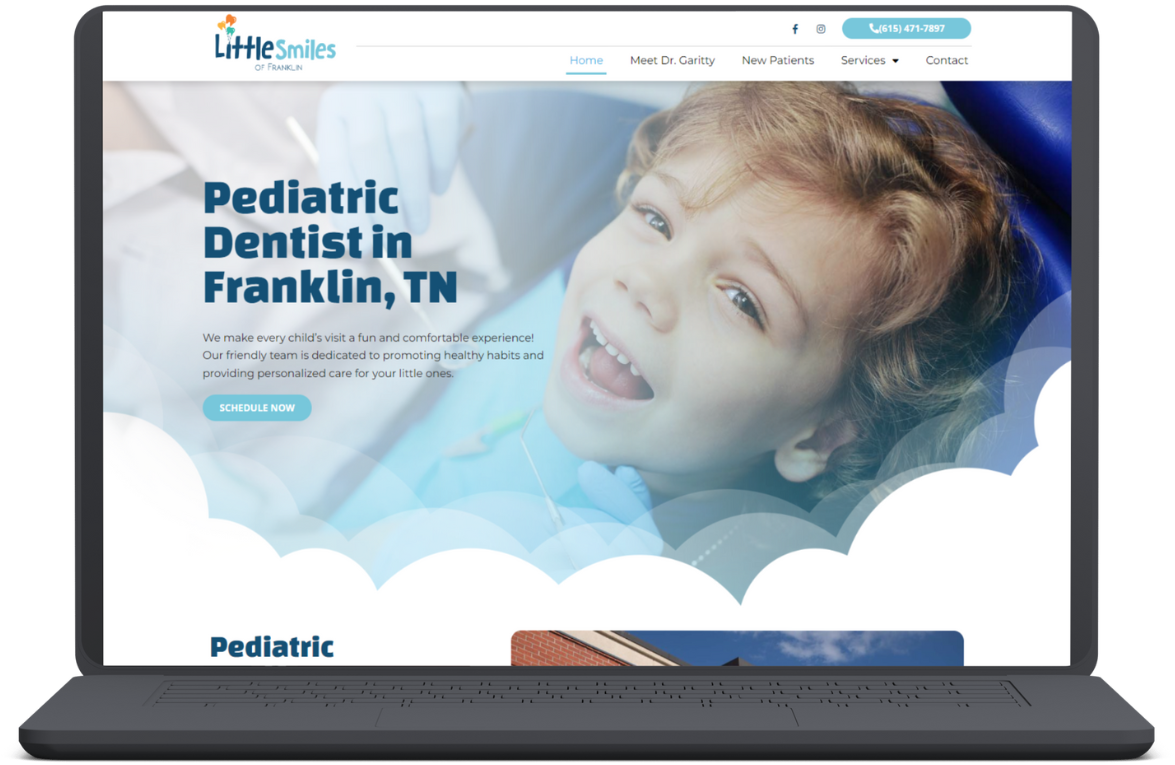
One notable case is that of a dental clinic that utilized AI search to enhance its marketing efforts. By analyzing search data, the clinic identified a growing interest in cosmetic dentistry within its target demographic. Leveraging AI-driven insights, the clinic developed targeted marketing campaigns that highlighted their cosmetic services, resulting in a significant increase in patient inquiries and bookings.
Another example is a hospital system that implemented AI chatbots to streamline patient interactions. These chatbots provided instant responses to common patient queries, reducing the burden on administrative staff and improving patient satisfaction. The hospital reported higher patient retention rates and an increase in new patient registrations as a direct result of this AI integration.
Lessons Learned from AI Implementation
These case studies highlight several key lessons for healthcare providers looking to implement AI search technologies. First, it is essential to identify specific goals and objectives for AI deployment. Understanding what the practice aims to achieve with AI can guide the selection of appropriate tools and strategies.
Second, collaboration between technical teams and healthcare professionals is vital for successful AI implementation. By working together, these groups can ensure that AI systems are aligned with clinical goals and patient needs. Finally, continuous monitoring and evaluation of AI systems can help identify areas for improvement and optimize patient acquisition efforts over time.
Embracing the AI Revolution in Healthcare
The integration of AI search technologies into patient acquisition strategies represents a significant advancement in healthcare. By offering enhanced targeting, streamlined processes, and valuable insights, AI search is revolutionizing the way healthcare practices attract and engage patients. However, to fully realize these benefits, healthcare providers must address challenges such as data privacy and bias, integrate AI with human expertise, and commit to continuous learning and improvement.
The future of patient acquisition in healthcare is bright with AI at the helm. Practices that embrace these technologies and adapt to the changing landscape will be well-positioned to thrive in an increasingly competitive environment. As AI continues to evolve, healthcare providers have an unprecedented opportunity to enhance patient care, improve operational efficiency, and ultimately transform the patient experience for the better.